
Lee Byung-hun Nominated for Best Actor at the 2025 Astra Film Awards for ‘No Other Choice’
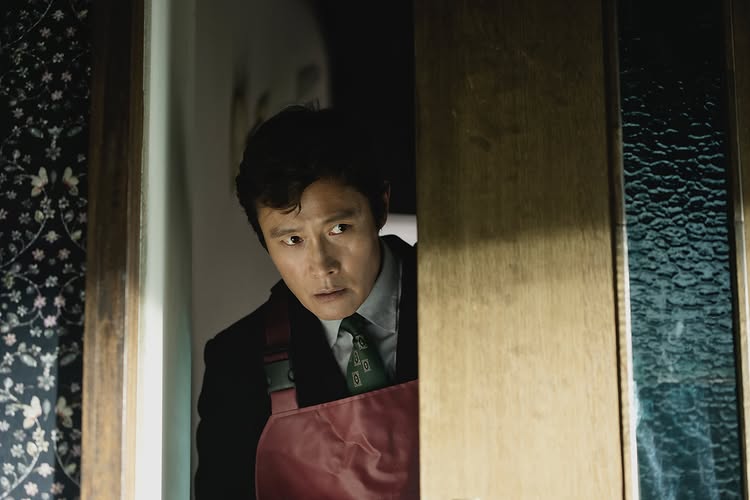
Korean actor Lee Byung-hun has been nominated for Best Actor in a Motion Picture – Comedy or Musical at the 2025 Astra Film Awards, organized by the Hollywood Creative Alliance, for his leading role in director Park Chan-wook’s film ‘No Other Choice’ (Korean title ‘어쩔수가없다’). Korean media highlighted the news with headlines noting that Lee will compete alongside Leonardo DiCaprio and George Clooney, calling it one of the most significant North American awards-season recognitions for a Korean actor in recent years.
According to the Hollywood Creative Alliance, six actors have been shortlisted for this year’s Best Actor in a Motion Picture – Comedy or Musical category: Brendan Fraser (‘Rental Family’), George Clooney (‘Jay Kelly’), Jesse Plemons (‘Bugonia’), Lee Byung-hun (‘No Other Choice’), Leonardo DiCaprio (‘One Battle After Another’), and Timothée Chalamet (‘Marty Supreme’). Korean outlets describe the line-up as a ‘dream roster’ that combines veteran prestige with global star power, underscoring the Astra Film Awards’ growing influence within the awards-season landscape.
In ‘No Other Choice’, Lee portrays Man-soo, a character navigating the boundaries between family, work, and the darker corners of society under director Park Chan-wook’s signature blend of black comedy and genre elements. Critics have praised Lee’s ability to balance tightly controlled acting with explosive emotional beats in key scenes. Beyond his Best Actor nod, the film itself has earned a total of four nominations at the 2025 Astra Film Awards, including Best Picture, Best International Feature, and Best Adapted Screenplay, positioning it as one of the season’s most talked-about non-English titles.

The Astra nomination is the latest milestone in Lee Byung-hun’s ongoing presence throughout the North American awards circuit. In recent years, he has received a Special Tribute at the Toronto International Film Festival, an ‘Artist of Distinction’ honor at the Newport Beach Film Festival, and a Best Actor nomination at the 35th Gotham Awards. Korean commentators view this steady recognition as evidence that Lee has firmly established himself within the broader Hollywood ecosystem while continuing to represent Korean cinema on the global stage.
In addition to the Astra Film Awards, Lee recently received the Snow Leopard Award for Outstanding Cinematic Achievement at the 11th Asian World Film Festival (AWFF), an honor given to filmmakers who have made exceptional contributions to cinema. Korean reports note that the award recognizes both his long-standing body of work across Korean and international productions and the growing visibility of ‘No Other Choice’ and its creative team during this year’s awards season.
‘No Other Choice’ has been selected as South Korea’s official submission for Best International Feature Film at the 98th Academy Awards. With the Astra Film Awards and other precursor events underway, attention is now turning to whether Lee Byung-hun might secure an acting nomination at the Oscars as well. For the Korean film industry, his Astra nod represents more than just the success of a single film—it continues the momentum built by works like ‘Parasite’ and ‘Drive My Car’, drawing new audiences to Korean storytelling and aesthetics through his performance.
【KStarLoud Analysis】From an awards-season perspective, the sustained momentum behind ‘No Other Choice’ stems not only from Park Chan-wook’s global reputation, but also from Lee Byung-hun’s long-term visibility in both Korean and Hollywood productions. Unlike many Korean actors who break through with a single title, Lee has built a decade-long cross-market presence—from ‘Terminator Genisys’ to ‘The Magnificent Seven’ and numerous acclaimed Korean films—positioning him as an internationally recognized leading man. Should the film advance further into major Oscar acting categories, it could mark a historic milestone for Korean male actors in Hollywood and elevate Korean cinema’s global prestige, echoing the cultural impact once sparked by ‘Parasite’.